Understanding Norwegian Firewood Regulations and Standards


Introduction to Norwegian Firewood Regulations
Norway, known for its stunning landscapes and cold winters, relies heavily on firewood as a primary source of heat. To ensure sustainability and safety, the country has implemented specific regulations and standards governing the production, sale, and use of firewood. Understanding these regulations is crucial for both producers and consumers to ensure compliance and promote environmental responsibility.

The Importance of Firewood Standards
The Norwegian government has established firewood standards to maintain a balance between nature conservation and the energy needs of its citizens. These standards are designed to ensure that the firewood is harvested sustainably and that it burns efficiently. Firewood must meet specific moisture content criteria to be sold legally, typically below 20%. This ensures a cleaner burn, minimizing air pollution and maximizing energy output.
Legal Requirements for Firewood Producers
Firewood producers in Norway must adhere to stringent guidelines regarding the sourcing and processing of wood. The primary legal responsibility is to ensure that the wood comes from sustainably managed forests. This involves obtaining the necessary permits and adhering to quotas that prevent over-harvesting. Moreover, producers are required to accurately label their products, providing details about the type of wood and its moisture content.

Consumer Responsibilities
As a consumer in Norway, understanding your role in adhering to firewood regulations is equally important. When purchasing firewood, it is essential to verify that the seller complies with national standards. Look for labels that indicate the wood's moisture content and source. By choosing correctly labeled firewood, consumers can significantly reduce their environmental impact and contribute to sustainable practices.
Storage and Usage Guidelines
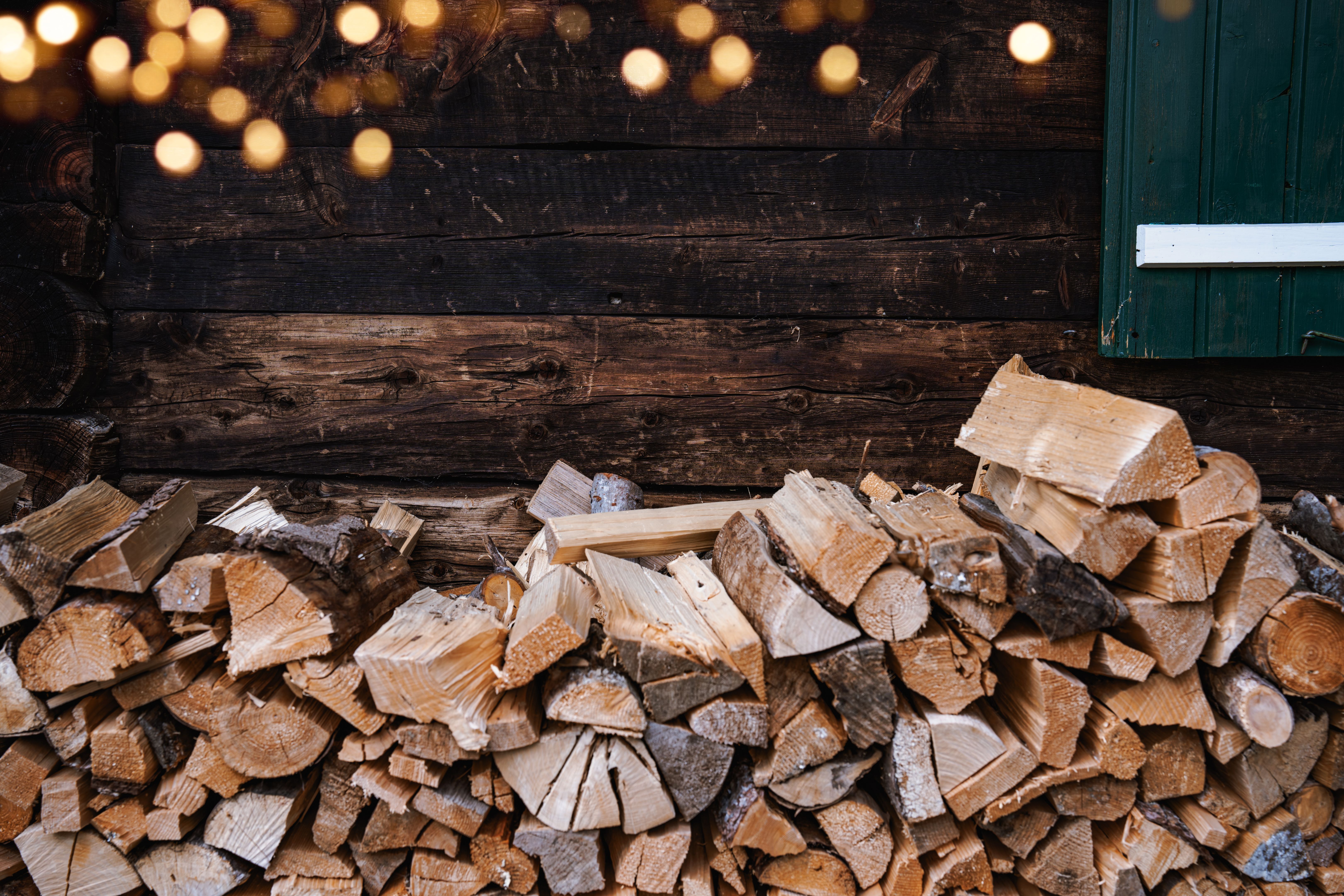
Storing firewood properly is crucial to maintain its quality and comply with regulations. Firewood should be stored in a dry, ventilated area to prevent moisture accumulation, which can increase emissions when burned. It is recommended to stack the wood off the ground and cover it with a tarp to protect it from rain while allowing airflow. Proper storage not only ensures efficient burning but also extends the lifespan of your firewood supply.
Environmental Impact
The environmental considerations surrounding firewood extend beyond just the sourcing and burning processes. By adhering to regulations, Norway aims to protect its forests and biodiversity while providing a renewable energy source. Sustainable firewood practices contribute to reducing carbon emissions, preserving wildlife habitats, and maintaining air quality throughout the country.
The Future of Firewood Regulations
As Norway continues to advance its environmental policies, firewood regulations may evolve to further enhance sustainability efforts. Innovations in wood-burning technology, alongside stricter controls on emissions, could shape future standards. Continued education and awareness among producers and consumers will be vital to achieving long-term goals of reducing environmental impacts while meeting energy needs.
Conclusion
Understanding Norwegian firewood regulations is essential for anyone involved in its production or use. By adhering to these standards, individuals can contribute to a sustainable future and enjoy the warmth of a cozy fire responsibly. As both technology and environmental policies evolve, staying informed will ensure compliance and support Norway’s commitment to preserving its natural beauty.